Anna Simon · 28 October 2026
Decoding Variations in Search Result Positions After Cloud Hosting Transitions Within Niche Customization Software Platforms
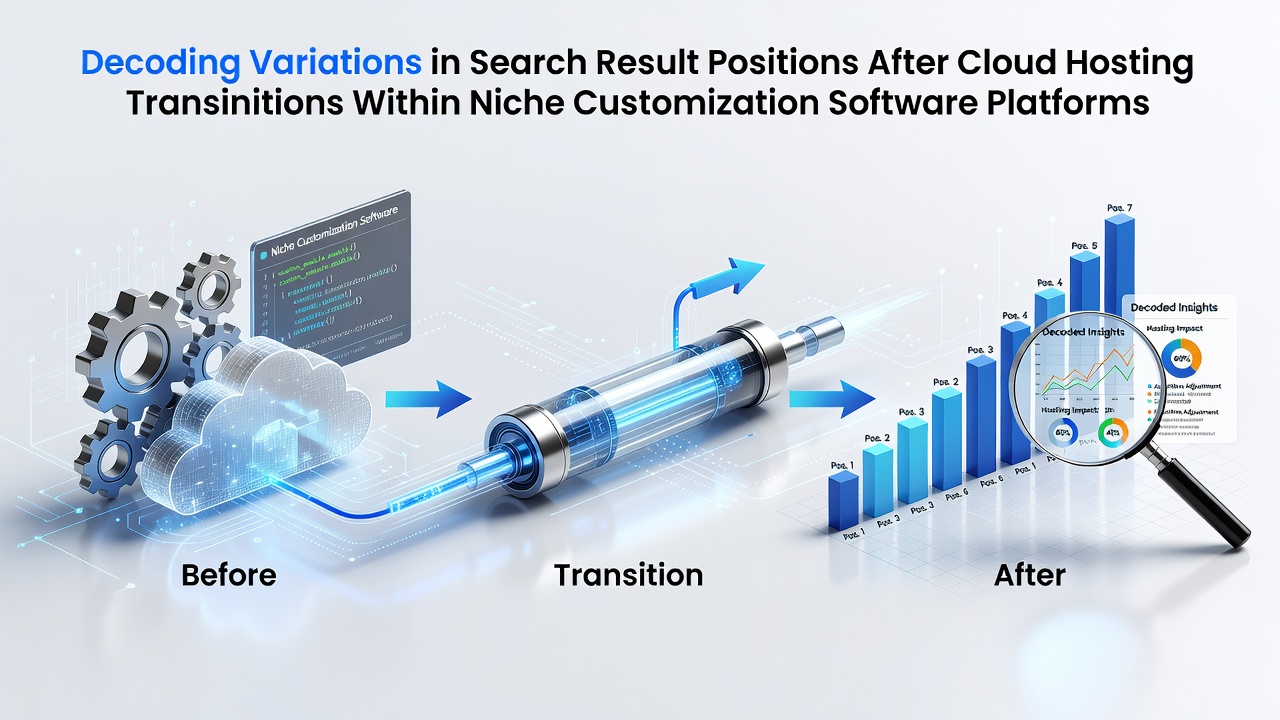
Platforms that manage niche customization software often experience fluctuations in search result positions when they move from traditional servers to cloud hosting environments, and these shifts arise from multiple interconnected technical adjustments. Data centers change their geographic locations, IP addresses get reassigned, and response times vary based on new infrastructure configurations while search engine crawlers adapt to the updated signals. Observers note that these transitions do not produce uniform outcomes across different platforms because factors such as content delivery networks, database replication speeds, and security protocol implementations influence how quickly and accurately search algorithms re-evaluate site authority.
Technical Adjustments During Cloud Migrations
Cloud hosting transitions typically involve moving static files, dynamic application code, and database queries to distributed environments where resources scale automatically according to demand. Researchers have documented that changes in server response headers, SSL certificate chains, and load balancer settings can alter crawl efficiency because search engine bots detect these modifications during routine visits. When platforms implement content delivery networks alongside cloud services, latency reductions occur in certain regions yet potential delays emerge in others depending on edge server placement and routing policies.
Studies from infrastructure monitoring services indicate that indexing pipelines sometimes pause temporarily while new IP ranges undergo verification processes, and this pause contributes to temporary drops in visibility for time-sensitive pages within customization software dashboards. Experts have observed that database synchronization across multiple availability zones introduces additional variables because query response consistency affects how deeply crawlers explore site structures during each session.
Factors That Influence Ranking Variations
Several measurable elements determine the extent of position changes after migrations, and these include domain age relative to the new hosting provider, historical backlink patterns pointing to specific server locations, and the frequency of content updates during the transition window. Data shows that platforms with frequent API calls or user-generated customization templates encounter more pronounced fluctuations because these elements require rapid re-rendering on the new infrastructure. Geographic distribution of user bases also plays a role since search engines prioritize local relevance signals when evaluating site performance from different data center regions.
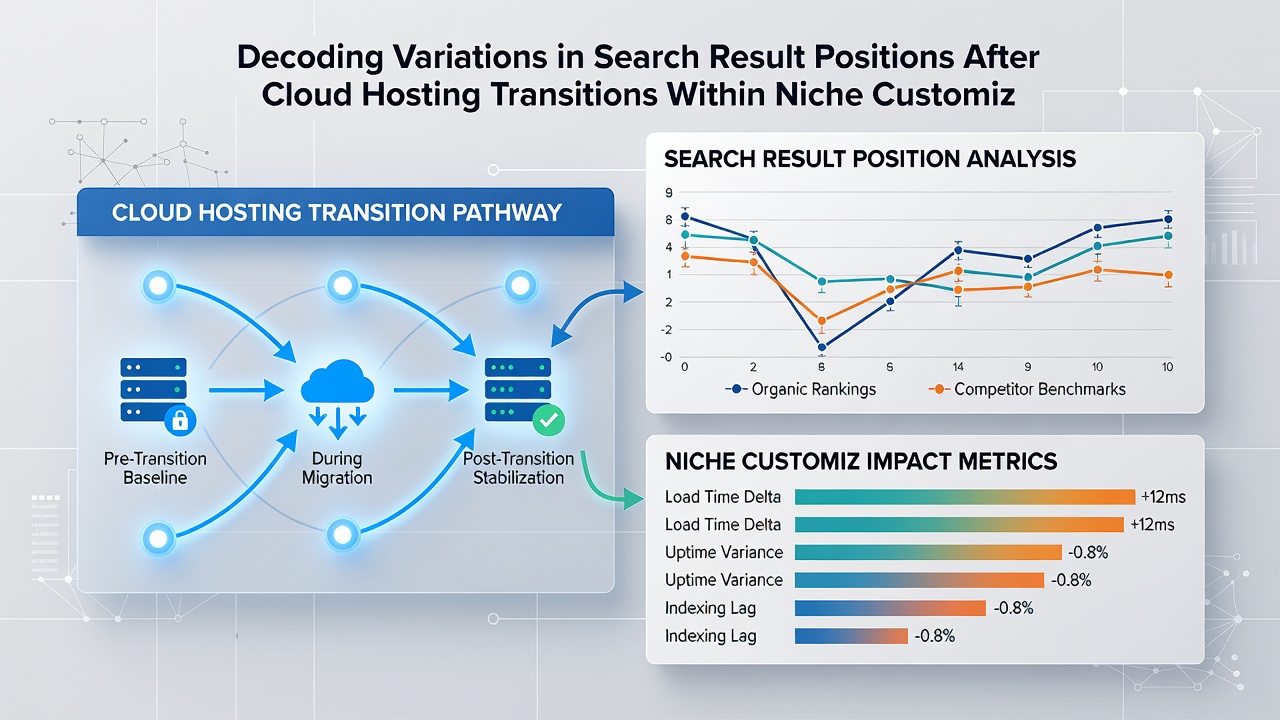
Analyses conducted through October 2026 reveal that platforms using hybrid cloud setups with dedicated instances for core customization engines maintained steadier positions compared to those relying entirely on shared cloud resources. Security enhancements such as web application firewalls and bot management layers sometimes block legitimate crawler traffic until configuration rules receive proper whitelisting, and this temporary restriction leads to incomplete indexing of newly generated customization pages.
Observed Patterns in Specialized Platforms
Within niche customization software ecosystems, certain patterns emerge consistently across multiple documented migrations. Platforms that maintained consistent URL structures and implemented proper 301 redirect chains experienced shorter recovery periods for organic visibility, whereas those introducing new subdomain architectures faced extended evaluation periods from search algorithms. Resource allocation changes during peak customization request times can produce spikes in server errors that accumulate negative signals if not addressed promptly through monitoring tools.
According to reports from the National Institute of Standards and Technology, standardized metrics for cloud service performance help platform operators anticipate how infrastructure modifications might interact with external discovery systems. Similar findings appear in documentation from the European Commission's digital infrastructure initiatives, where emphasis on interoperability standards correlates with reduced variability in third-party evaluation processes.
Measurement Approaches Used by Analysts
Professionals tracking these variations employ rank tracking software combined with server log analysis to correlate specific hosting events with position movements over defined timeframes. They examine crawl budget allocation before and after transitions, noting how changes in sitemap submission methods and robots.txt directives interact with new hosting environments. Longitudinal data collection allows identification of whether fluctuations represent permanent re-evaluations or temporary adjustments that resolve once search systems complete full re-indexing cycles.
Conclusion
Variations in search result positions following cloud hosting transitions within niche customization software platforms stem from a combination of infrastructure modifications, crawler adaptation processes, and regional performance factors that researchers continue to quantify through ongoing observation. Patterns identified through October 2026 demonstrate that careful planning around redirect implementation, header consistency, and resource monitoring reduces the duration and severity of these shifts across different platform scales.